Certain questions often come up when I discuss IVF with patients. Not surprisingly a simple google search of "myths and misunderstandings of IVF" provides easy access to many listicles some from Fertility clinics and others from special interest groups/patient support group blogs.
I am still waiting for Buzzfeed to make its list. Oh wait, they sort of did.
Some of the more common questions I get are listed below after the break. The most important piece of advice is to encourage patients to ask questions and make sure they are getting satisfactory answers from their providers.
Showing posts with label Infertility. Show all posts
Showing posts with label Infertility. Show all posts
Friday, August 21, 2015

Sunday, August 16, 2015
Endometrial Exfoliation (i.e "Scratch Test") in patients prior to IVF: Answering a Medical Conundrum
Implantation, the act of the embryo adhering to the lining
of the uterus or endometrium, is an essential part of a normal pregnancy.
Implantation failure remains a major factor limiting the success of in vitro
fertilization (IVF) cycles. As implantation depends on the cross talk between
the embryo and the endometrium considerable research has been dedicated to
understanding and optimizing this exchange.
Sunday, August 9, 2015
GENETICS of MALE INFERTILITY INITIATIVE (GEMINI)
Male infertility can be devastating for men and their partners. Despite that, an underlying cause of infertility cannot be identified in about half of infertile men. WUSM Fertility and Reproductive Medicine Center doctors and researchers are part of a large team working to uncover these likely genetic causes and work to find potential treatments.
Monday, November 3, 2014
Fertility Coverage or Bust for our Patients
The average cost of a cycle of IVF, including medications hovers around $15-16,000 (all costs). Cost is obviously a barrier to IVF which is unfortunate as it provides the highest chance of live birth. Approximately 50% of the patients I see have infertility treatment coverage. This is due to our close proximity to Illinois which has one of the more comprehensive fertility mandates in the US.
Many times insurance companies that cover IVF will not cover it unless there is a "medical necessity." Oftentimes we write letters and talk on the phone with insurance company MDs fighting for our patients to have coverage for IVF. This usually involves multiple levels of written letters, peer to peer phone conversations and in-person testimonies.
Many times insurance companies that cover IVF will not cover it unless there is a "medical necessity." Oftentimes we write letters and talk on the phone with insurance company MDs fighting for our patients to have coverage for IVF. This usually involves multiple levels of written letters, peer to peer phone conversations and in-person testimonies.
Sometimes we are successful and sometimes we come up short. Man, it feels good when we get a claim approved! I wanted to share a recent success story emphasizing that persistence pays off.
Tuesday, May 13, 2014
IVF is Firstline treatment for Women 38-42 struggling to conceive
If you have unexplained infertility (normal tubes, sperm and ovulatory cycles), and are between 38-42, IVF may be the first-line option for treatment. The Press release below is from an email that will become publically available on the ASRM website under Bulletins. I wanted to share it with the readership.
Credit: American Society of Reproductive Medicine
Credit: American Society of Reproductive Medicine
Monday, April 21, 2014
What is Mini IVF?
“Natural”, “gentle” fertility treatments seem appealing when it comes to in vitro fertilization. However, the evidence is not swayed by marketing. After performing a review of the literature, there are several points to be aware of when considering mini IVF.
Saturday, April 19, 2014
National Infertility Awareness Week 4/20-4/26
In the spirit of National Infertility Awareness Week, I will be posting several articles on topics that seem to capture the interest of a lot of the readership. The topics will deal with fibroids, fertility preservation, egg freezing, mini IVF and IVF insurance coverage. There will be embedded links galore for further reading should you be interested. Stay Tuned
Sunday, April 13, 2014
Got fibroids?
I have fibroids.
Fibroids come many shapes and sizes and range in symptomatology from no symptoms to unbearable, pain and heavy bleeding. Not all fibroids are associated with infertility, but those that distort the cavity or cause symptoms in women who desire fertility should be evaluated by a gynecologist or reproductive endocrinologist/infertility specialist. The picture below shows all of the difference locations on the uterus that fibroids can appear.
Thursday, December 12, 2013
IVF Outcomes in the United States: 2010
Since 1992, federal law requires all IVF clinics in the United States to report their outcomes regarding success rates and multiple births. This law has helped our field improve its standards and help lower the multiple birth rate but more work still needs to be done (i.e single embryo transfer). Keep in mind that the latest data is from 2010 because it takes 9-10 months to get live birth data and then another year to process and publish the data. You can read the latest report from the CDC past the jump.
Friday, March 1, 2013
Hyper-Hypo-and-anechoicity: a guide!
I'm back in the blog game. Here is a nice piece from our ultrasonographers about ultrasound findings. Simple and straightforward. This is helpful for both practicing physicians and trainees. A refresher of sorts after the jump
Tuesday, July 24, 2012
Too much hormone? Maybe...but Maybe not...
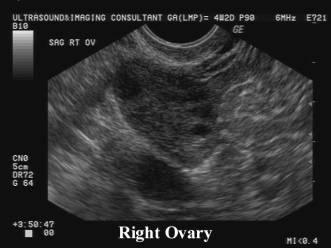 |
| A normal ovary at rest |
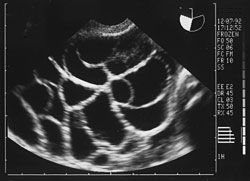 |
| An ovary after hyeprstimulation, prior to egg retrieval |
This recent article in the NY Times captures the essence of the debate that is going on in the infertility community regarding the use minimal stimulation in in vitro fertilization. Hit the jump for my thoughts on this article!
Monday, July 16, 2012
One Healthy Baby Part 2a: Do IVF twins do better than spontaneous twins?
Initial study suggested that singletons resulting from IVF had lower birth weights and were more likely to deliver preterm, but those initial studies were fraught with poor study design. For example, increased maternal age can lead to higher rates of preterm delivery and since infertile patient cohorts tend to be older - is it the IVF or the maternal age to blame for the higher rate of preterm delivery.
Better designed, follow up studies that controlled for age, did confirm these findings, but some actually showed the opposite: IVF singletons do better.
Better designed, follow up studies that controlled for age, did confirm these findings, but some actually showed the opposite: IVF singletons do better.
Eitherway, while data remains mixed, surprisingly, there is some consensus that IVF twins actually do "better" than spontaneous occurring twins. This paper (a meta analysis) from the British Medical Journal looked at 25 studies that examined outcomes among singletons and twins both born naturally and via IVF. Of those 25 studies, 17 used matched controls (good study design) and 8 did not (not as good a study design).
The frequency of very preterm twins (<32 weeks) was examined in three matched studies (the better study design) in IVF twins was 7-10.5% and 4.9-10.7% in spontaneously occurring twins. Although the spontaneous twins have a range with a lower frequency (4.9%), overall the frequency does not differ between the two. Birth weights were not significantly different between the ART twins and spontaneous twins, either.
Rates of c-section were approximately 21% higher among mothers of IVF twins compared to those of spontaneous twins.
Perinatal mortality (death) was actually lower in IVF twins compared to spontaneous twins but hard to rely on since there was a higher than average mortality rate in the control group in one study used by the authors in their meta-analysis.
This is a good example of the limitations of these types of studies (meta-analyses). As one mentor of mine likes to point out: if you put "junk" into a meta-analysis, you will get "junk" out - essentially, if you combine poorly designed studies to increase the number of people included to enhance a result, your conclusions may be flawed.
While the differences between IVF twins and spontaneously conceived twins do not appear to be markedly divergent, the lower risk of perinatal mortality among IVF twins remains puzzling. Obviously chorionicity matters (mono-chorionic twins are at higher risk for poor outcomes than dichorionic) and in studies that controlled for chorionicity, for example, dizygotic spontaneous twins had a lower perinatal mortality rate than dizyogtic IVF twins.
Ultimately, to answer the reader's question, there is evidence to support that IVF twins "do better" than spontaneously conceived twins, but the data is conflicting in the literature and the truth probably lies somewhere in between. Eitherway, twins are a high risk pregnancy that requires close attention from both the patient and the provider.
Monday, July 2, 2012
One Healthy Baby Part 2: The risks of a multiple pregnancy
 |
| Celine Dion at age 42, with the help of IVF, conceived twins, but is a twin pregnancy easy and glamorous? |
It is no secret that the rate of mutliple pregnancies has increased over the last 20 years. In developed nations with the highest multiple birth rates, the rapid increase in infertility treatment utilization is the primary driver of this increase. Additionally, there have been links to increasing maternal age as a reason for the rise in multiples particularly in women over the age of 40; however, again, this is likely due to the reliance of infertility treatments among women in this age group to achieve pregnancy.
In part 1 of this series, we reviewed common infertility treatments and the associated risk of the treatment to multiple pregnancy. In the 70s, the rate of twin pregnancies was about 1.25%, while triplets occurred with a frequency of 0.0125%. In 2008, the rate of twins was about 3.2% and triplets or higher was 0.15% (about a 100x increase!). In 2009, the most recent year of reporting by the CDC the rates remain relatively stable.
OBGYNs understand the risks before, during and after delivery associated with twins or higher order multiples (HOM), but often, infertile patients do not share their physicians' concerns as pointed out by a survey of patients who were treated for infertility at the University of Iowa. One of the main conclusions of the survey was that 20% of infertile women preferred a multiple gestation over a singleton gestation. Not surprisingly, women who had never before been pregnant were more likely to share this desire.
Ultimately, it is important for the physician treating the infertile patient to highlight some of the risks associated with multiple pregnancy. In this part 2, I will describe some of those risks. When I refer to multiple pregnancy, I refer to twins or more. When I use the term higher order multiple (HOM) I am referring to triplets or higher.
The treatments:
It is important to mention the treatments again. In general the rate of HOM has declined since its peak in the late 90's (0.2%). Probably the biggest reason for the decline was an overall awareness of the rising rate in multiples. With more multiple pregnancies comes a higher preterm delivery rate and with a high preterm delivery rate comes more risk of neonatal complications (infection, breathing difficulties, brain bleeding, etc) and more neonatal deaths. As these issues became clear, changes in practice were made.
As IVF techniques have improved and guidelines on what is an acceptable number of embryos to transfer have become more prominent, we have seen the HOM rate drop. Furthermore, the use of COH-IUI, long linked to the rise in multiple pregnancies, particularly HOM, has declined because the risk of HOM is higher with COH-IUI, and IVF is actually more cost effective at achieving pregnancy with a lower risk of HOM. In general, the risk of multiples is inversely proportional to the women's age when it comes to infertility treatments (i.e the older one is, the less likely their treatment is going to result in multiples).
Types of twins

Remember that all twins are considered high risk, however, on the scale of which set of twins are the highest risk, dizygotic twins are on the end of the spectrum that confers "lesser" risk, while monozygotic twins are on the side of "greater" risk. In dizygotic twins, the placenta and the fetus are housed in almost completely separate compartments known as dichorionic diamniotic. In this case the likelihood that one fetus will "steal" nutrition for the other and compromise fetal growth is rare. In monozygotic twins, how the twins are "housed" together in the uterus is a function of when the embryo splits. The later the embryo splits the more likely the twins are to share a common placenta and sac which is called a mono-chorionic monoamniotic gestation. While this twinning pattern is the rarest, it confers the greatest risk as it is associated with a 20% chance of fetal death/loss. when twins share the same "house" cords can get entangled, and the likeliFurthermore, monozygotic twins are at higher risk for birth defects than dizygotic twins or singleton pregnancies.

So with IVF, most of the time we transfer between 1-3 embryos back inside the uterus, so twinning is typically of the dizygotic kind, however, while the absolute rate remains low, there seems to be a slight bump (0.4 to 1-5%, depending on the study) in the rate of monozyogtic twinning.
The distinction I am trying to make here is that while all twins are high risk, some are much more high risk than others.
Preterm Birth
The biggest concern to fetal well being and ultimately successful pregnancy outcome is the risk of preterm birth associated with twins. The rate of preterm delivery (delivery before 37 weeks) for twins in the US was about 60%. More concerning, however, is that 11.4% are born before 32 weeks! Twins are more likely to result in preterm birth for a variety of reasons, one of which is increased uterine distention. Think about it this way: a women at 40 weeks gestation has a certain uterine size (say "x") and that increase uterine size causes the uterus to contract and helps initiate labor. At 40 weeks this event is appropriate. In a twin pregnancy, uterine size "x" is reached far quicker than 40 weeks since there are two growing fetus's in the uterus and as a result labor may occur much earlier. Therefore it is essential to be vigilant when women with twins have abdominal pain or contractions as it may be preterm labor. As a result, women with twins may have more evaluations in the hospital during the course of their pregnancy, which may lead to alterations in daily activities and perhaps hospitalization in some cases.
Some of the twin pregnancies that are delivered preterm are not all spontaneous deliveries. Many are the result of an induction of labor due to maternal or fetal complications that have arisen likely as a result of the twin pregnancy. Maternal complications that confer a higher risk in twin pregnancies are gestational hypertension and pre-eclampsia, acute fatty liver disease, gestational diabetes, hyperemesis gravidarum, iron deficiency anemia, and formation of blood clot. Gestational hypertension and pre-eclampsia are common causes of inductions.
Another issue to note, is that there is an increased risk of cesarean section associated with twin pregnancy mainly due to malpresentation of the presenting twin. For example if both fetus A (the first or "presenting" twin) and fetus B in a twin pregnancy are head down, then a vaginal delivery is commonly attempted if no other concerns with the fetus arise. If the presenting twin is anything but head down (breech or "butt down" or transvers (back down or up) then a c-section is preferred. Great variability in practice exists in when twin A is head down but twin B is not and I would recommend discussing this scenario with your provider at the first prenatal visit after a twin pregnancy is confirmed.
As the pregnancy progresses, during the third trimester, patients may get frequent ultrasound and fetal heart rate monitoring performed depending in the complexity of the twin pregnancy. Again this means more frequent visits to the physician and a possible likelihood of early induction of fetal well being is compromised.
Infertility treatments and multiple pregnancies have a long history together. While we are better at preventing HOM's, efforts continue to reduce the risk of multiples, particularly twins. One strategy is the use of single embryo transfer in select patients; however concerns still remain about the decrease in pregnancy rate associated with single embryo transfer.
The issues of twinning are extensive, and I have tried to summarize the major issues that I bring up with my patients. There are many other issues that of course are tied to patient specific factors but for more information I recommend checking out the following link from the American College of Obstetricians and Gynecologists (ACOG). In the meantime please feel free to comment as you see fit. In part three of the section we will discuss triplets and higher order multiples, embryos transfer practices and selective reduction. Please stay tuned.
Monday, June 25, 2012
One Healthy Baby: The fear joy of multiples Part 1: Infertility treatments and the risk of multiples
Multiple pregnancy (i.e twins or higher) is a risk of infertility treatments that is well documented in the field as are efforts to curb its incidence. When bringing this risk up to patients, many do not see it as a risk, they see it as a bonus - "two for the price of one!" More often then not this reaction is in regard to twins which remains a high risk pregnancy state despite imagery in popular culture that might suggest otherwise. While higher order multiples (i.e 3 or more) remain a risk of infertility treatments, certain guidelines and practice patterns have evolved to reduce the number of higher order multiples in the United States. In this three part series, I will address some common questions that arise regarding multiples and the quest for fertility. Here I will review common infertility treatments and their risks of multiples.
Both COH-IUI and IVF put a patient at risk for something called ovarian hyperstimulation syndrome (OHSS). The injectable medications radically stimulate the ovaries, and the ovaries naturally grow in size; however the response can be so dramatic that the ovaries become large enough to cause severe discomfort, difficulty breathing, and leakage of fluid into the abdominal cavity. Additionally, an increase viscosity of the blood can occur placing the patient at risk for blood clots. Needless to say, severe OHSS is fortunately a rare event but milder forms of OHSS are common. See this document for a good overview.
COH-IUI has historically been the culprit behind the rise in higher order multiples over the last 20 years, and recent evidence combined with the increased improvements IVF may be rendering COH-IUI obsolete. Furthermore, the ability to limit the number of embryos transferred in IVF has helped reduce the higher order multiple rate over the last 10 years.
For patients without insurance coverage for infertility treatments often times cost plays a role in the management process. While treatment with clomiphene citrate (+/- IUI) can be approximately $400/cycle ($50 for the medication and $350 for the IUI). Treatment with COH-IUI can be as much as $3000/cycle because the injectable medications are expensive and the duration and intensity of treatment can vary widely based on the reason for the couple's infertility.
Three to four cycles of each infertility treatment are typically performed to maximize the chance of pregnancy after which time if pregnancy is not achieved the treatment is deemed a "failure" and more aggressive options are considered. IVF can cost upwards of $9000 plus approximately $3000-5000 for the cost of the medications, however there is a better chance of pregnancy (upwards of 60% in women <35 years of age) with a lower chance of higher order multiples.
The table below summarizes the approximate pregnancy, twin/high order multiple rates, and costs of common infertility treatments*
* actual costs vary widely based on clinic, reason for infertility, and insurance coverage; pregnancy rates are based on age <35 and assume that baseline fecundability of infertile couple is <1%.
The risk of twins remains real and the risk of triplets or higher has to be in the back of both patient and physician's mind when discussing common treatments for infertility. In the next part of these three part series we will discuss the risks associated with carrying a twin or triplet pregnancy. Stay Tuned!
What "infertility treatments" are we talking about?
Normally, women release one egg during their fertile "window"; have intercourse during that time and pregnancy occurs. About 40% of the time, couples who are having trouble conceiving, an egg is not being released (i.e anovulation or no ovulation). Many medications are used to overcome this and clomiphene citrate (Clomid) is the grandfather of infertility medications in the modern era. The drug is designed to trick a woman's brain into releasing a little extra of her own FSH (the hormone responsible for egg growth) and ultimately get women who don't ovulate - TO OVULATE.
HOWEVER, for women who have unexplained infertility (no obvious etiology of the infertility exists which affects 10% of couples), clomiphene citrate can be used to increase the number of eggs that a woman releases during her fertile window from 1 -> to 2 and sometimes 3. Now, the reason the natural multiple rate is low (about 3-4%), is because women only release one egg; creating a state in which you increase that yield only increases the chance of twins or more!
With clomiphene citrate the likelihood of twins is 8%; triplets is 1%
Not everyone responds to clomiphene citrate, though and stronger medications are required. These are injectable medications and they are purified extracts of the hormones responsible for egg growth (FSH for example). Giving these medications increases the number of eggs that grow in the ovary dramatically! There are two scenarios in which patients get injectable medications: 1) controlled ovarian hyperstimulation with intrauterine insemination aka COH-IUI or 2) in vitro fertilization (IVF)
Let's talk about these treatments separately.
1. In COH-IUI, fertilization occurs in the woman's body. Patients are given injectable medications and monitored closely with frequent vaginal ultrasound and blood work (3-4x/week) for usually a 10-14 day period. When the time is right, a different hormone (HCG) is given to cause final maturation and release of the eggs that have grown up to that point and then an IUI (i.e artificial insemination) is performed. Often times there are more than 2 eggs released in order to maximize the likelihood that sperm will fertilize an egg.
With COH-IUI the likelihood of twins can be as high as 20%; triplets and higher 5%
2. In IVF, controlled ovarian hyperstimulation is performed with certain tweaks that allow the physician to completely "control" the communication between the woman's brain and ovaries. The goal is the same: make as many eggs as possible. HOWEVER the difference in IVF vs COH-IUI is that the eggs are retrieved via a minor surgical procedure and are then fertilized in a dish in the lab. The resulting embryos are grown for 3-5 days in the lab after which time an embryo transfer is performed whereby the embryos are then placed back into the uterus. In IVF, the decision on how many embryos to place back into the uterus is controlled unlike in COH-IUI where the number of fertilization events are out of the hands of the physician/patient.
With IVF, the likelihood of twins can vary by clinic and patient age but can be as high as 25-30%, triplets and higher are <2%
Both COH-IUI and IVF put a patient at risk for something called ovarian hyperstimulation syndrome (OHSS). The injectable medications radically stimulate the ovaries, and the ovaries naturally grow in size; however the response can be so dramatic that the ovaries become large enough to cause severe discomfort, difficulty breathing, and leakage of fluid into the abdominal cavity. Additionally, an increase viscosity of the blood can occur placing the patient at risk for blood clots. Needless to say, severe OHSS is fortunately a rare event but milder forms of OHSS are common. See this document for a good overview.
COH-IUI has historically been the culprit behind the rise in higher order multiples over the last 20 years, and recent evidence combined with the increased improvements IVF may be rendering COH-IUI obsolete. Furthermore, the ability to limit the number of embryos transferred in IVF has helped reduce the higher order multiple rate over the last 10 years.
For patients without insurance coverage for infertility treatments often times cost plays a role in the management process. While treatment with clomiphene citrate (+/- IUI) can be approximately $400/cycle ($50 for the medication and $350 for the IUI). Treatment with COH-IUI can be as much as $3000/cycle because the injectable medications are expensive and the duration and intensity of treatment can vary widely based on the reason for the couple's infertility.
Three to four cycles of each infertility treatment are typically performed to maximize the chance of pregnancy after which time if pregnancy is not achieved the treatment is deemed a "failure" and more aggressive options are considered. IVF can cost upwards of $9000 plus approximately $3000-5000 for the cost of the medications, however there is a better chance of pregnancy (upwards of 60% in women <35 years of age) with a lower chance of higher order multiples.
The table below summarizes the approximate pregnancy, twin/high order multiple rates, and costs of common infertility treatments*
| Treatment | Pregnancy Rate | Twin Rate | Triplet or higher | Cost/cycle ($) |
| Clomiphene citrate (CC) | 4-5% | 8% | 1% | 50 |
| CC + IUI | 5-10% | 5-10% | 1% | 400 |
| COH-IUI | 15-20% | 20% | 5% | 3000 |
| IVF | 50-60% | 25-30% | <2% | 9000-15000 |
* actual costs vary widely based on clinic, reason for infertility, and insurance coverage; pregnancy rates are based on age <35 and assume that baseline fecundability of infertile couple is <1%.
The risk of twins remains real and the risk of triplets or higher has to be in the back of both patient and physician's mind when discussing common treatments for infertility. In the next part of these three part series we will discuss the risks associated with carrying a twin or triplet pregnancy. Stay Tuned!
Wednesday, June 6, 2012
Does IVF increase the risk of breast cancer
Recently, a study was published examining whether there is a link between breast cancer and infertility treatments. The study, published in Fertility and Sterility, a prominent journal that publishes infertility research, looks at all patients in Western Australia who had in vitro fertilization (IVF) between 1983-2002 and then examines how many of those patients developed breast cancer. This type of cohort study is similar in design to the study I wrote about recently that examined the link between birth defects and in vitro fertilization.
Since there is one identification/insurance number for all citizens (ie. Imagine that your social security number was the same as your health care insurance policy number), nations with "single payer" systems can easily link hospital data, cancer registry, and population data allowing researchers to perform these type of epidemiological studies.
There were 21,000 women who had an infertility diagnosis code assigned to their name between 1983-2002. The authors compared women with infertility who had IVF to those women with infertility who did not have IVF. When examining the cancer registry up to 2010, they found, among those 21,000 women, 384 who went on to develop breast cancer.
The authors concluded that there was no risk associated with infertility treatments and the overall risk of breast cancer.
Interestingly, they did find an age related risk linking young age (<24 years) of IVF treatment with breast cancer, but surprisingly did not see that same relationship with older women?
After reviewing this article, several points come to mind:
First, some well known reproductive/hormonal breast cancer risk factors:
1. early age of menarche (age of first period)*
2. late age of menopause*
3. nulliparity (i.e never being pregnant)
4. age of first pregnancy (i.e age >35 with first pregnancy is associated with an increased risk of breast cancer)
5. prolonged, exposure to elevated circulating levels of estrogen^
* These risk factors and others: family, genetic history of breast cancer, smoking, other dietary risk factors, were not included in the study...would this controlling for these confounders change the result? perhaps
^ Not surprisingly the authors provided the peak concentration of estrogen in an IVF cycle (4000 pg/mL) when comparing the estrogen concentration to the peak in a normal menstrual cycle (300 pg/mL). IVF requires hormones that increase the concentration of circulating estrogen levels, however this is short lived (ie <2 weeks) and the average patient's peak estrogen level is usually 2000-2500 pg/mL. Patients rarely (<1%) achieve estrogen concentrations of 4000 pg/mL in an IVF cycle.
While I am reassured that the overall risk of breast cancer is not elevated in infertile women who undergo IVF compared with infertile women who do not undergo IVF, I don't know how to explain the increased risk of breast cancer among women <24 yrs old who undergo IVF compared to other infertile women who do not undergo IVF?
If a young women (in the case of this study <24 yrs of age) gets pregnant with IVF she is no longer nulliparous, and has a young first age of pregnancy. She has the opportunity now to breastfeed and a chance to go on and have multiple children - all things which reduce the risk of breast cancer!
I look forward to your comments
Since there is one identification/insurance number for all citizens (ie. Imagine that your social security number was the same as your health care insurance policy number), nations with "single payer" systems can easily link hospital data, cancer registry, and population data allowing researchers to perform these type of epidemiological studies.
There were 21,000 women who had an infertility diagnosis code assigned to their name between 1983-2002. The authors compared women with infertility who had IVF to those women with infertility who did not have IVF. When examining the cancer registry up to 2010, they found, among those 21,000 women, 384 who went on to develop breast cancer.
The authors concluded that there was no risk associated with infertility treatments and the overall risk of breast cancer.
Interestingly, they did find an age related risk linking young age (<24 years) of IVF treatment with breast cancer, but surprisingly did not see that same relationship with older women?
After reviewing this article, several points come to mind:
First, some well known reproductive/hormonal breast cancer risk factors:
1. early age of menarche (age of first period)*
2. late age of menopause*
3. nulliparity (i.e never being pregnant)
4. age of first pregnancy (i.e age >35 with first pregnancy is associated with an increased risk of breast cancer)
5. prolonged, exposure to elevated circulating levels of estrogen^
* These risk factors and others: family, genetic history of breast cancer, smoking, other dietary risk factors, were not included in the study...would this controlling for these confounders change the result? perhaps
^ Not surprisingly the authors provided the peak concentration of estrogen in an IVF cycle (4000 pg/mL) when comparing the estrogen concentration to the peak in a normal menstrual cycle (300 pg/mL). IVF requires hormones that increase the concentration of circulating estrogen levels, however this is short lived (ie <2 weeks) and the average patient's peak estrogen level is usually 2000-2500 pg/mL. Patients rarely (<1%) achieve estrogen concentrations of 4000 pg/mL in an IVF cycle.
While I am reassured that the overall risk of breast cancer is not elevated in infertile women who undergo IVF compared with infertile women who do not undergo IVF, I don't know how to explain the increased risk of breast cancer among women <24 yrs old who undergo IVF compared to other infertile women who do not undergo IVF?
Here is a formal response from the American Society of Reproductive Medicine (ASRM):
Linda
Giudice, MD, PhD, President-elect of ASRM, noted, “The development of breast
cancer is linked to estrogen exposure and the longer one is exposed, the
greater the risk. In an IVF cycle, there is a short, but significant
elevation in circulating estrogen, and whether this is linked to the
observations found in this study is not clear at this time. Women should be
reassured that, overall, IVF was not associated with an increased risk for
development of breast cancer. However, as noted in the study, women in
their thirties and forties still need to be aware of the increased risk of
breast cancer associated with delivering one’s first child at this stage of
reproductive life. For younger women, there is the possibility that IVF
is associated with increased risk, but more research is needed to confirm
this.”
There is always extensive counseling between patient and physician in the infertility clinic setting and time is often spent discussing study findings like these. Obviously, this is a new finding that needs to be validated before it can be taken at face value, but patients should be informed.
Ultimately, whenever I see studies linking infertility treatments to female cancer, I follow this logic:
If a young women (in the case of this study <24 yrs of age) gets pregnant with IVF she is no longer nulliparous, and has a young first age of pregnancy. She has the opportunity now to breastfeed and a chance to go on and have multiple children - all things which reduce the risk of breast cancer!
I look forward to your comments
Friday, May 18, 2012
Birth Defects and IVF
Attachment Parenting, Same sex-marriage, birth defects and IVF? A busy week for Women's Health
WOW! what a busy week last week was on many fronts that probably captured the attention of many in women's health: new TIME magazine cover, NEJM article about birth defects and IVF, and president Obama's announcement regarding his position on same-sex marriage.
I will focus my attention by commenting on the NEJM article. Using birth registry data from Southern Australia, the authors compared an infertile population to a normal fertile population and show that there is a 8.3% birth defect rate among those women treated for infertility (5.8% in the "normally" conceiving population." In any cohort study confounders must be controlled for and here the authors do this but some have argued that when differences between the populations (one infertile and one fertile) are too great djusting for confounders is not enough.
The one, perhaps simple finding that I gravitate towards is the % of birth defects among those undergoing IVF (105/1484=7.1%), IVF+ICSI (91/939=9.7%), and history of infertility with no history of any ART (52/600=8.7%) VS those who had a spontaneous conception (5.8%) - reinforces to that it is the underlying infertility, and perhaps the older population of the infertility cohort and not the treatments that may be responsible.
Eitherway, the article's findings suggest that there are subtle associations between infertility treatments and birth defects. Remember, that in these cohort studies, association does not confirm causation. While their findings should not be ignored, their work highlights a topic that is already discussed in infertility clinics worldwide.Their findings reinforce the conventional wisdom that it is the underlying infertility and not the treatments that are leading to the increase in birth defects.
But don't take my word for it here is the official response from the American Society of Reproductive Medicine (ASRM) and the Society for Assisted Reproductive Technology (SART):
A
paper published today in the New England Journal of Medicine noted an increased
incidence of birth defects in ART-conceived children. ASRM and SART
responded.
Statement
Attributable to Linda Giudice MD, PhD, President-elect of the American Society
for Reproductive Medicine (ASRM):
“This
study confirms what has been known for quite some time: Patients who need
medical assistance to conceive have a somewhat higher risk of having children
with birth defects than parents able to conceive on their own. Patients
considering medically assisted conception have been, and should continue to be,
counseled on those risks prior to undergoing any treatment.”
Statement
attributable to Glenn Schattman, MD, President of the Society for Assisted
Reproductive Technology (SART):
“It
is important to note that women with a history of infertility who did not
undergo ART treatments also had a higher increase of having children with birth
defects. This combined with the finding that those using ICSI (Intra
Cytoplasmic Sperm Injection) also had slightly elevated risks of birth defects
suggest that the underlying problem that led them to seek medical
assistance in the first place is likely contributing to the elevated risk of
birth defects in their children.
Some
results in this study are reassuring for patients: in cycles not including
ICSI, the adjusted odds ratio for IVF conceived children did NOT show a
significant difference in birth defects children born following embryo freezing
had no higher risk of birth defects than naturally conceived children.
These
are interesting and important findings and we will need much more research to
allow us to help patients overcome their infertility with treatments that are
as safe as possible for them and the children born from the treatments.”
Please comment, but keep it civil.
Subscribe to:
Posts (Atom)